Have we become too impatient to hope?
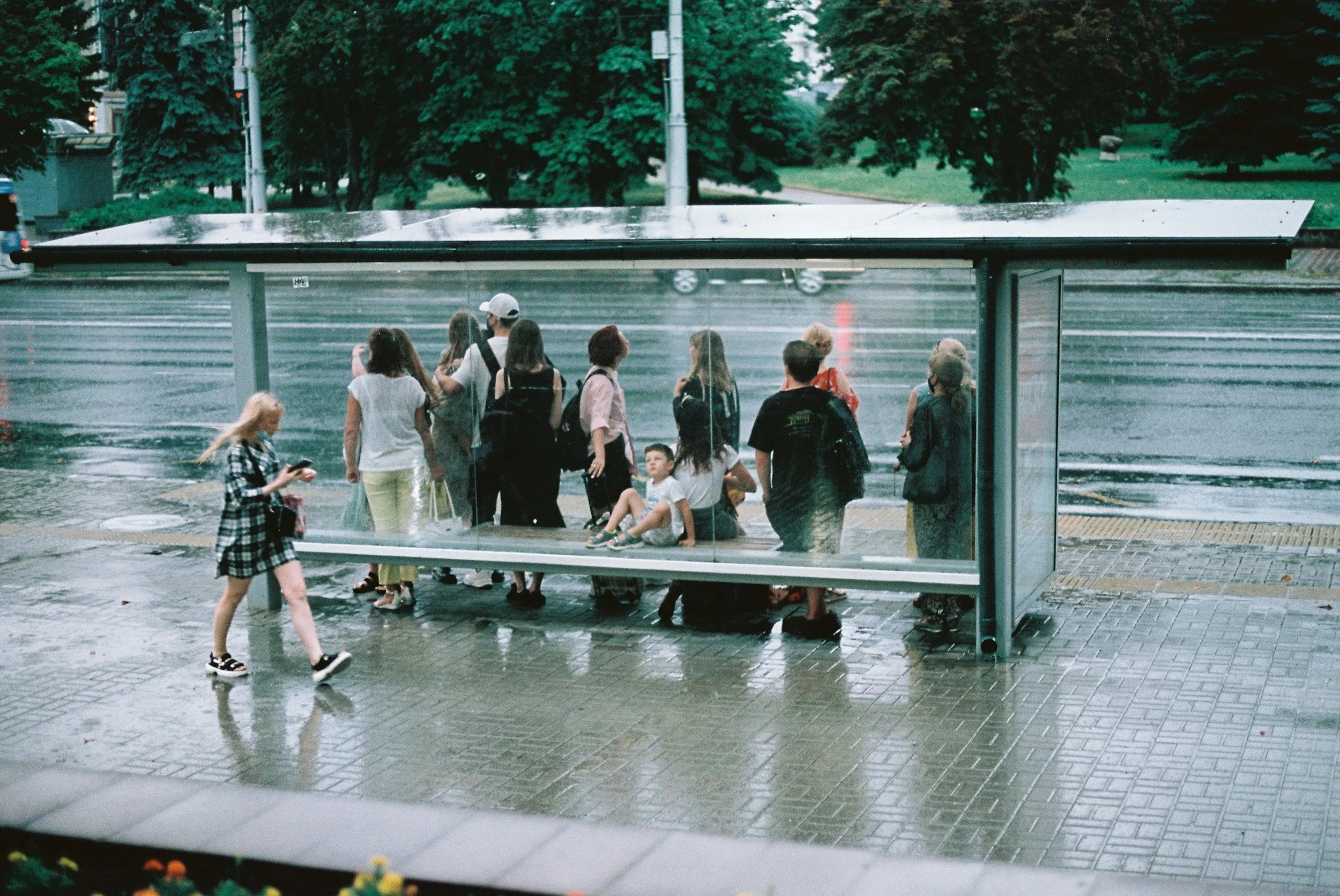
In Spanish, esperar means both to hope and to wait.
Perhaps it’s just a coincidence, but that connection seems relevant. Hope is intertwined with time because hope is always directed at the future: we can only hope for something that has not happened yet. And if something hasn’t happened yet, well, we gotta wait for it to happen.
Hope requires three things: desire, possibility, and uncertainty. I have to want something, it has to be possible, and I cannot know for certain whether it will happen.
The uncertainty part can seem a little puzzling. If I know something will happen, then I don’t need to hope for it. I don’t hope that my wife will come home from work every evening or that she’ll be in bed next to me when I wake up.
On the other hand, if I know something cannot happen, I cannot meaningfully hope for it. We don’t hope for what is impossible. I don’t hope that I will dunk on LeBron or that the Lakers had beat the Knicks in the finals last year. I can only hope for what might still happen.
Hope needs an open possibility to exist which is interesting because it means uncertainty is not the opposite of hope, but a prerequisite for hope.
And maybe this helps explain why hoping can feel difficult today. Because if hope requires uncertainty, then hope also requires us to tolerate uncertainty in a world that is perfecting its ability to provide certainty.
In the information age, not knowing is a simple problem to be solved. When we don’t know something, we Google it. When we’re unsure what to buy, we read and compare reviews. When we don’t know whether we made the right decision, we look for reassurance from others and increasingly, AI. We have become remarkably good at minimizing the amount of time we have to spend not knowing. But the less time we spend in uncertainty, the more uncomfortable uncertainty can become.
But hope asks us to do exactly that. It asks us to live for a while in the space between “I want this” and “I don’t know if it will happen.” It invites us to keep wanting something without knowing whether we will get it.
But in response to that discomfort, we try to make the future feel more certain. We turn hope into expectation the same way we turn uncertainty into prediction. We want to control what comes next rather than learn how to wait expectantly for it.
Because waiting means admitting that we don’t know what the future holds. And when that becomes too uncomfortable, sometimes we close the door altogether: “I don’t want to get my hopes up.”
As if the safest way to avoid disappointment is to stop waiting before the future has a chance to answer us.
So to hope is, in some sense, to wait.
Not passively. Not without acting. But to want something, do what we can, and then allow some part of the future to remain outside of our control.
To hope is to leave room for something that has not happened yet. To resist closing the future simply because we cannot know how it will unfold.
Maybe learning to hope again begins with learning to wait.
Struggling with uncertainty?
If you find yourself constantly thinking ahead, looking for reassurance, or trying to figure out what happens next, therapy can help you build a different relationship with uncertainty.