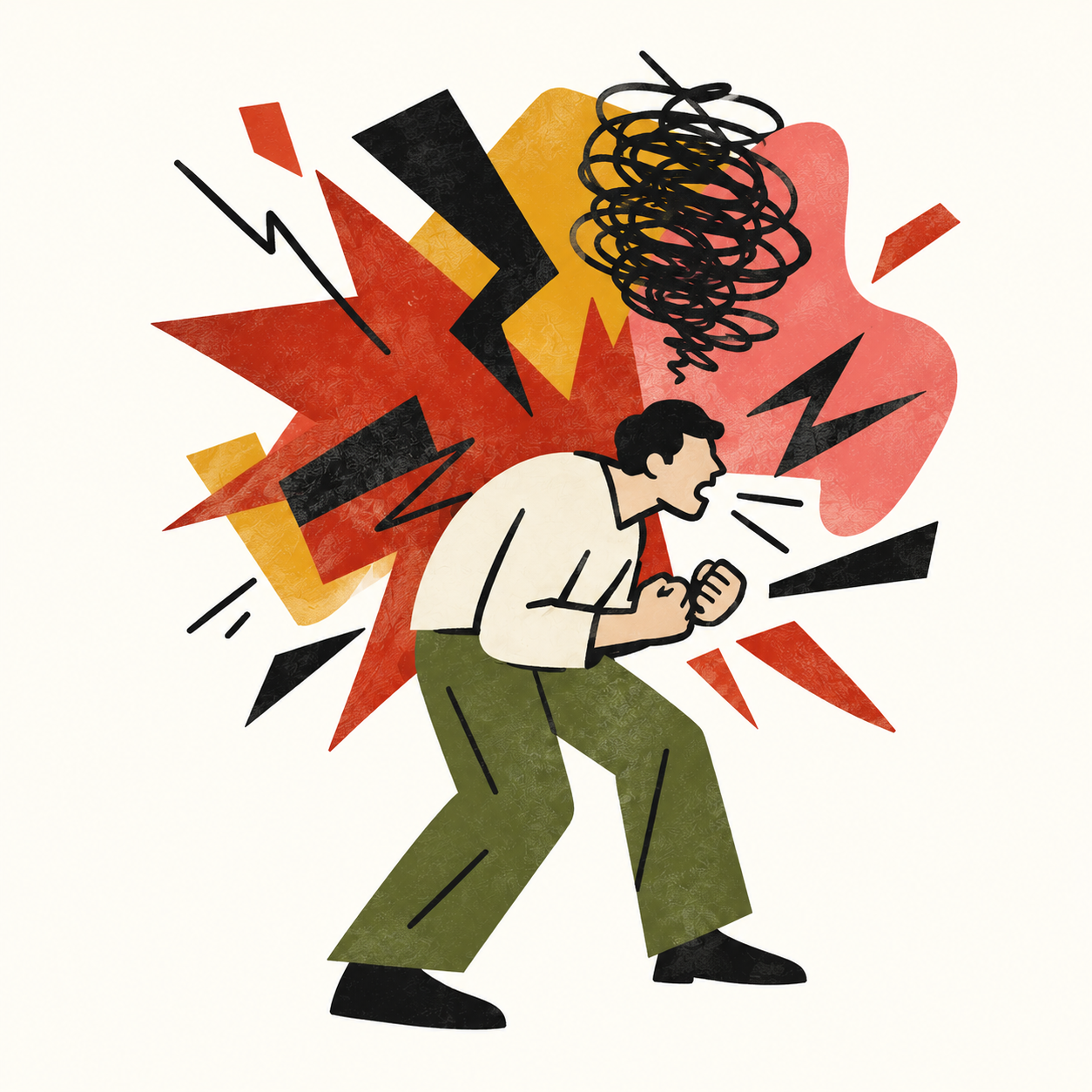
Anger & Irritability
“I've been way more irritated lately.”
“Why does everything piss me off?”
“I don't want to talk to my partner like this.”
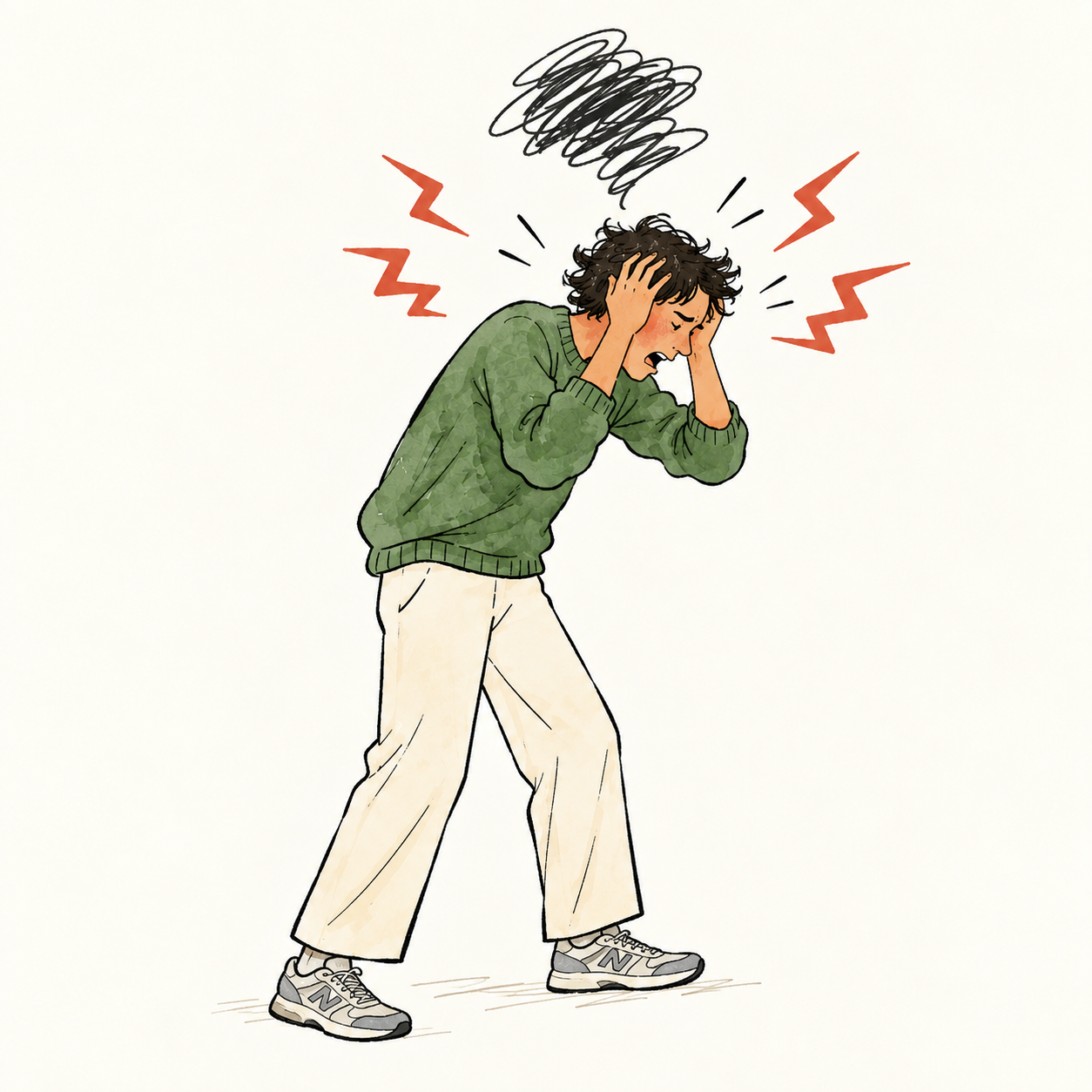
Maybe the problem isn’t that you’re angry. It’s what you do when you’re angry.
Maybe you get defensive the second your partner brings something up. Your voice gets louder before you even realize it. A small frustration somehow turns into another full-blown argument. You say something harsher than you meant to. Or you hold everything in until eventually something small sets you off.
Sometimes you don't even feel that angry until you're already in it.
And afterward, you might know exactly how it all went sideways. You know you got too loud. You know you became defensive. You know at some point you stopped responding and started reacting.
Knowing that doesn't necessarily mean you know how to stop it from happening again.
Getting Good at Anger
Most people think being good at anger means not getting angry. We get told to calm down. Don’t raise our voice. Don’t react. Don't let things bother us so much.
Those things can help. But they still leave an important question unanswered: Why are you angry in the first place?
Because anger isn't random. It’s often trying to tell you something. Maybe you feel disrespected. Maybe something feels unfair. Maybe a boundary has been crossed. Maybe you're hurt and anger is easier to access than the hurt underneath it. Maybe you've been saying yes to something you actually resent for months.
And anger doesn't only show up as rage. It can feel like irritation, frustration, resentment, bitterness, defensiveness, or simply being increasingly annoyed by everyone around you.
But many of us learn that expressing anger is bad and eventually start believing that even feeling angry is bad, too. So we try to get rid of it before we've even understood it.
How are you supposed to know what to do with your anger if you've never learned how to interact with it?
I believe getting good at anger starts with understanding it. When you understand why you're angry, you can get better at recognizing it, expressing it, and deciding what you actually want to do with it…especially with the people you care about most.
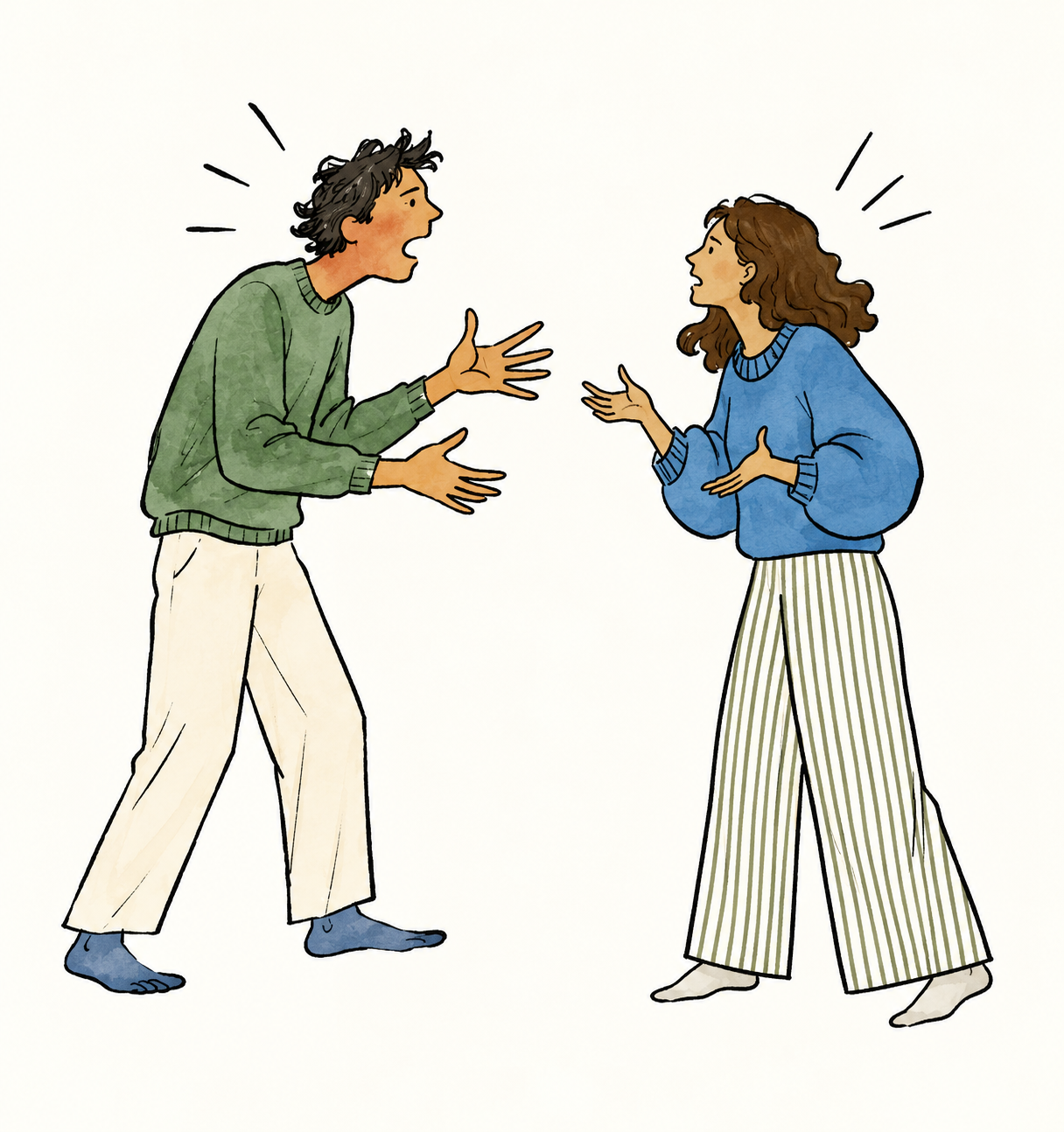
You can get better at anger.
Anger is something you can learn to handle, not give into or avoid.
You can get better at recognizing it earlier, understanding what it's telling you, and expressing it without exploding, getting defensive, or shutting down. You can even learn to hear someone else's anger without immediately needing to defend yourself.
Anger is a skill. And skills can be practiced.